

 Return
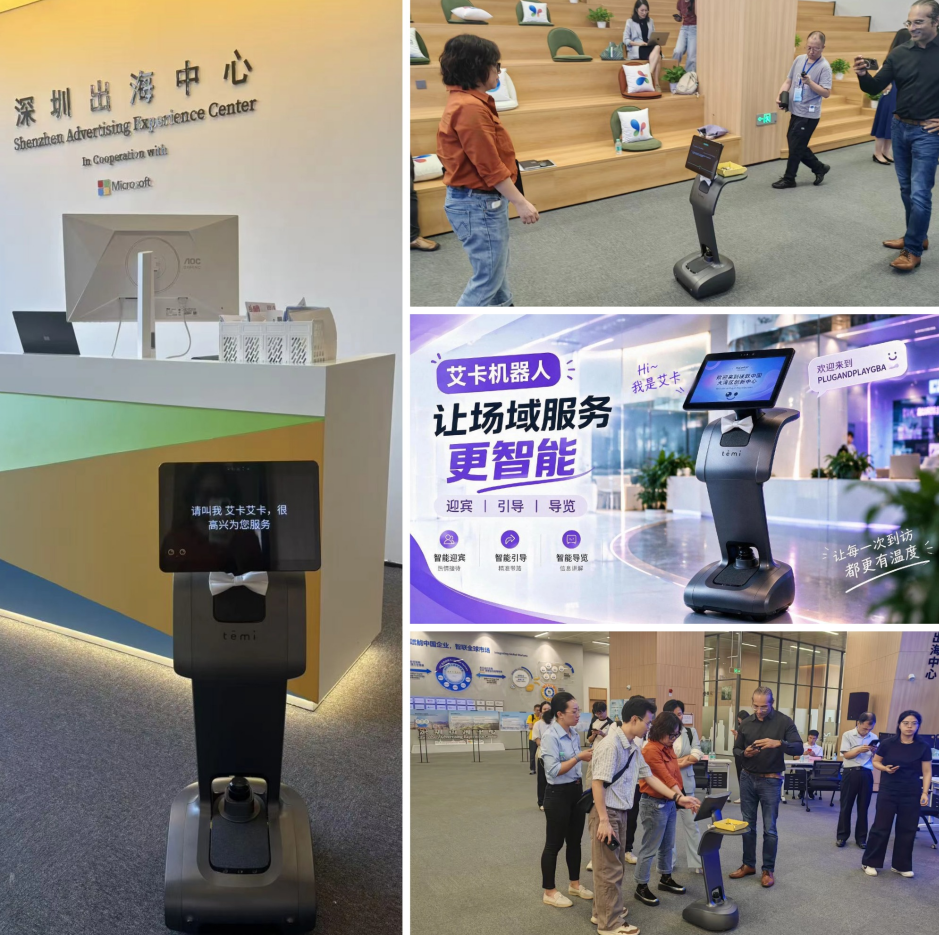
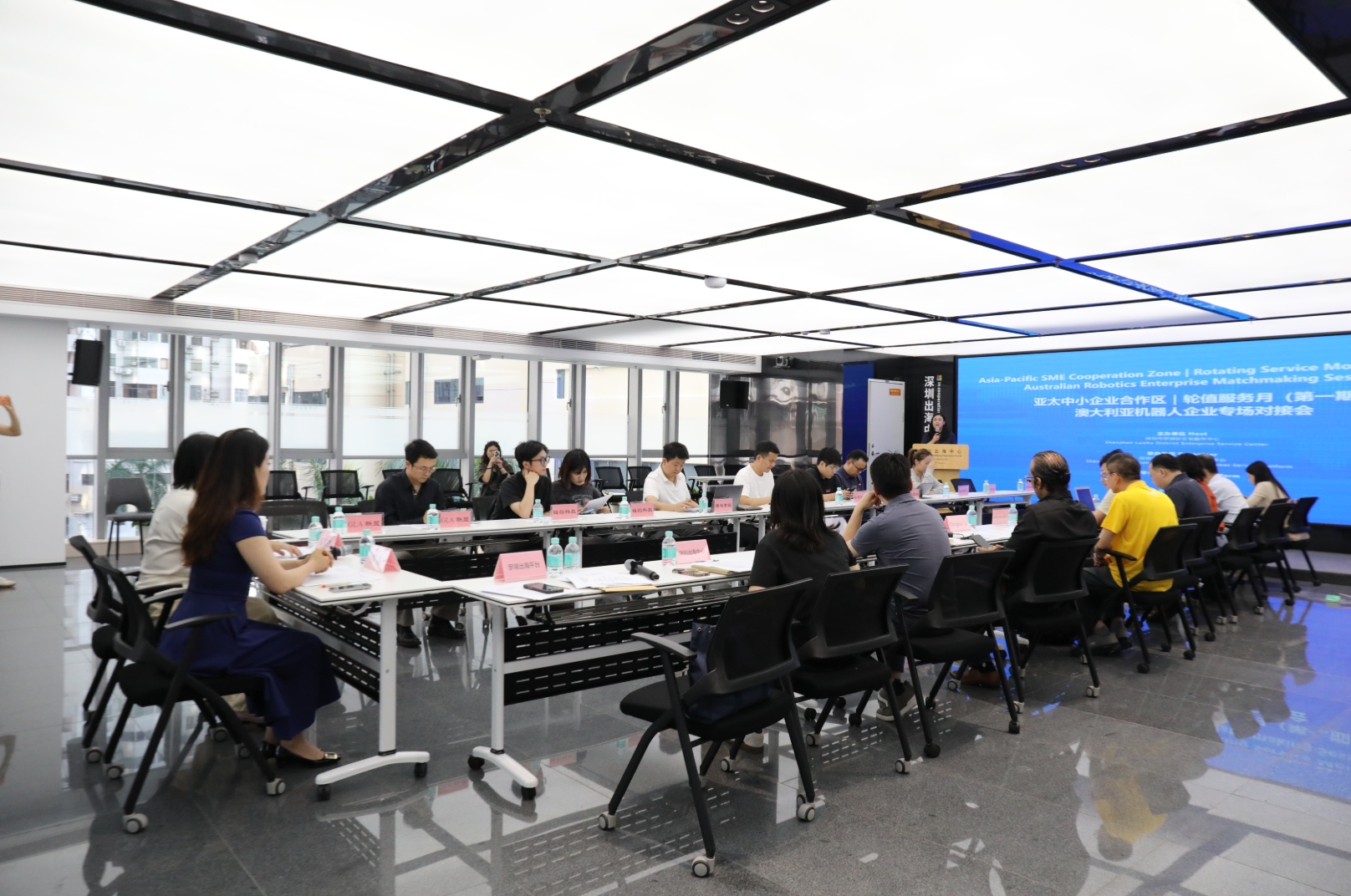
On October 12, the Australia Robotics Enterprise Special Matching Event was held at the Shenzhen Outbound Center.
As the inaugural event of the Asia-Pacific SME Cooperation Zone’s rotating service month, the event brought together enterprise representatives from Australia, as well as companies specializing in robotics, artificial intelligence, and smart hardware.
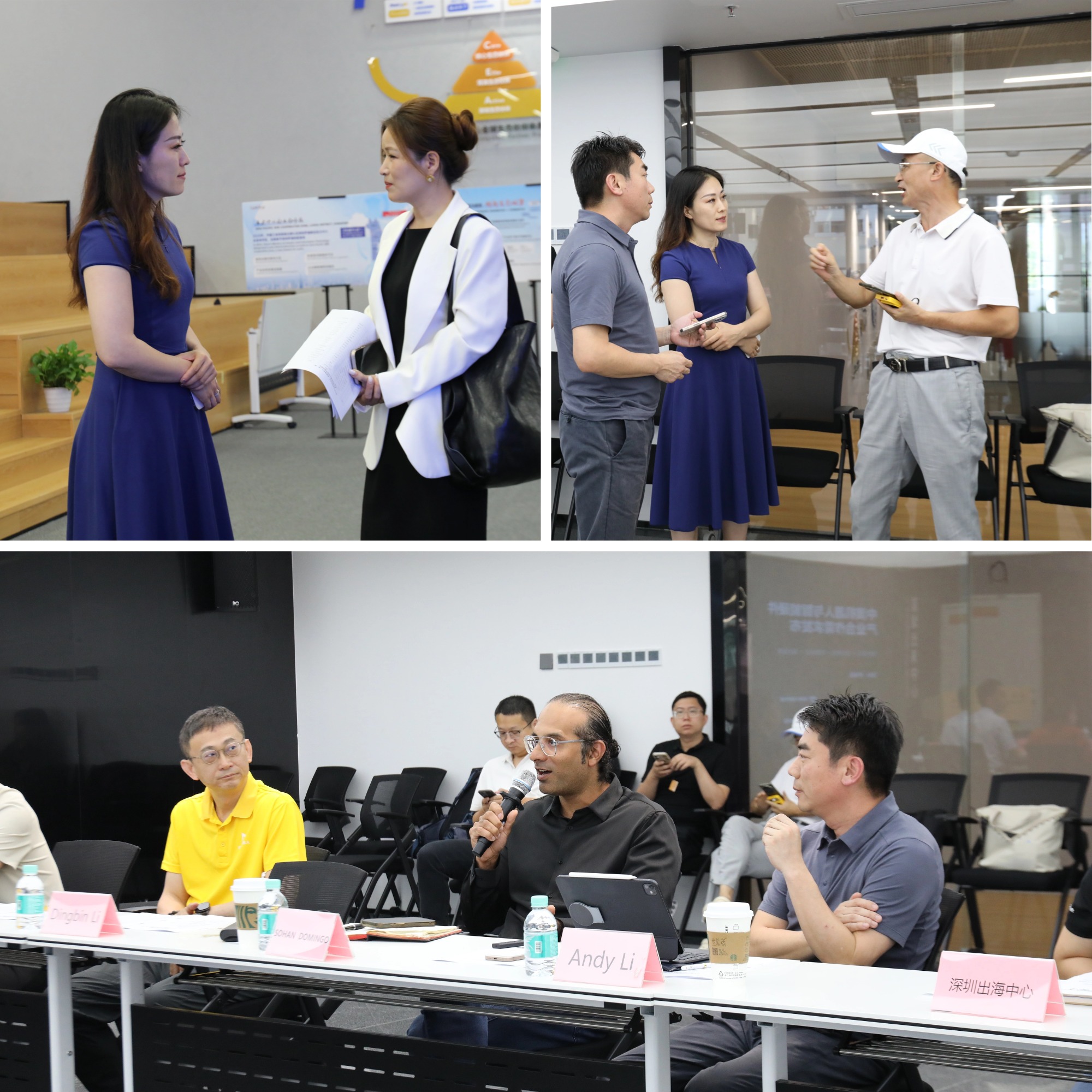
Ms. Xie Yifei, Founder and CEO of Vietadata, was invited to participate in this exchange.
This exchange revealed an important shift:
Robotics globalization is evolving—from simple product export toward joint development centered on real-world scenarios.
1.ONE
What International Markets Need Is More Than Just a Robot
Enterprise representatives from Australia shared their requirements for elderly-care robots at the event.
Their concerns extend beyond whether a robot can move or interact—they focus instead on how the robot adapts to local usage habits, privacy regulations, and service workflows once deployed in aged-care facilities.
For instance, requirements differ significantly between centralized institutional care and home-based elderly care; likewise, data handling and video capture are subject to varying national regulations.
This means that deploying robots in overseas markets is not merely about replicating domestic products—it requires redesigning them specifically for local contexts.
For Shenzhen-based enterprises, manufacturing capability is only the starting point; truly helping products succeed in international markets demands deep understanding of the application environment.
2.TWO
Smart Elderly Care Must First Balance Safety and Privacy
Elderly-care intelligence was also a key topic of discussion during the event.
For aged-care institutions, continuous monitoring is vital—but so is avoiding excessive intrusion and safeguarding seniors’ privacy.
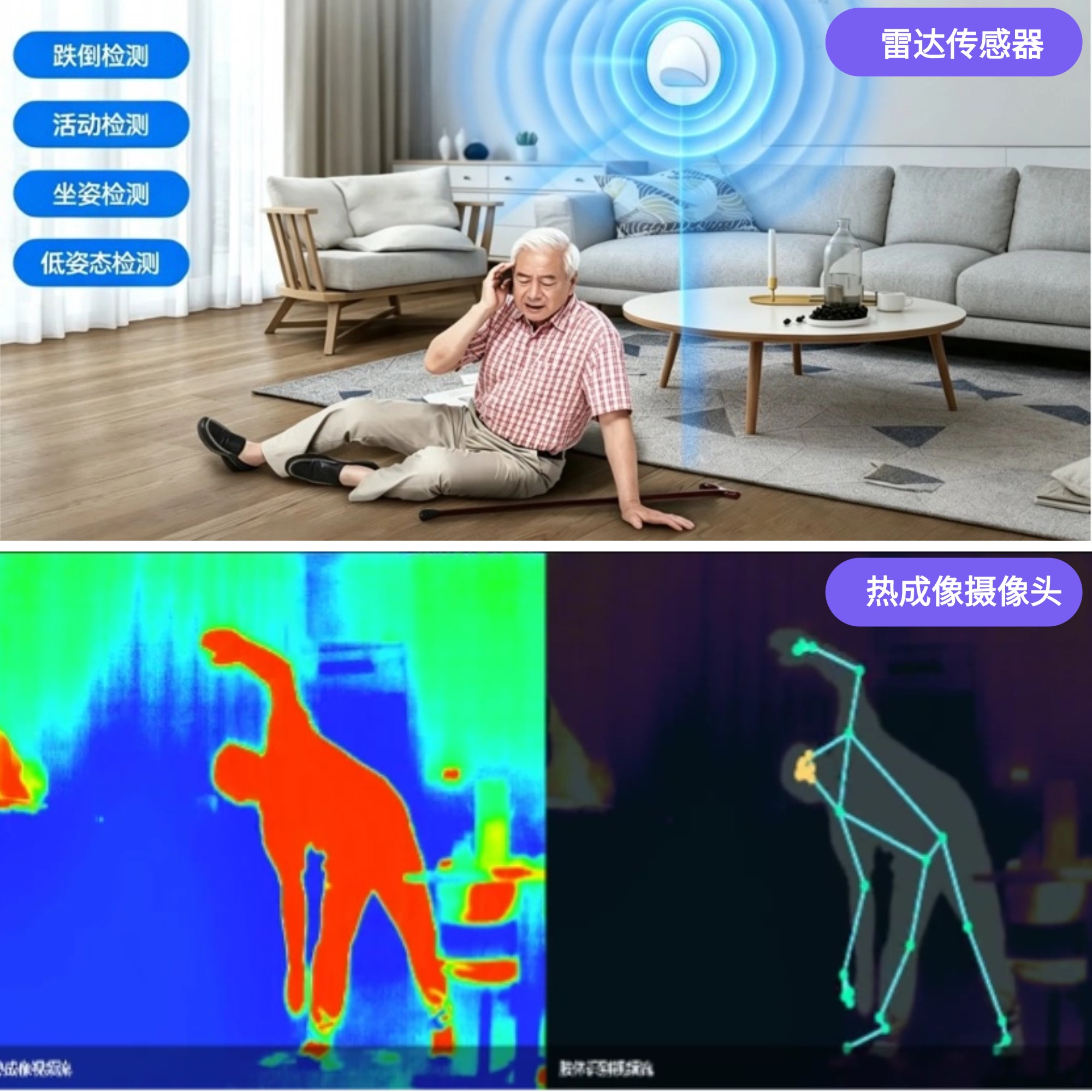
Vietadata has conducted related explorations in intelligent elderly-care monitoring.
To meet diverse spatial requirements, Vietadata employs multimodal sensing—including AI vision, thermal imaging, and millimeter-wave radar: prioritizing recognition accuracy in public areas, while emphasizing privacy protection in private spaces such as bedrooms and bathrooms—thereby enhancing overall monitoring reliability through complementary sensing capabilities. Intelligent Elderly-Care Monitoring Solution
True implementation of elderly-care intelligence does not mean adding more devices—it means building systems that operate reliably within real-world environments.
3.THREE
For Robots to Truly Enter Industries, They Need ‘Eyes’ That Understand Real-World Scenarios
During the enterprise exchange session, Ms. Xie Yifei shared Vietadata’s practical experience in robotic visual perception and scenario-specific applications, drawing on collaborative cases with robotics companies.
The same robot platform—through customized visual algorithms and scenario-adapted capabilities—can be deployed across different domains.
For example, a service robot jointly developed by Vietadata and a robotics company was adapted—via functional and visual enhancements—for use in elderly-care settings.
This reflects Vietadata’s ongoing exploration: Robots must do more than move—they must understand their surroundings, people, and tasks.
Visual perception capability is becoming a foundational enabler for robots entering the real world.
This cross-border exchange brought together diverse market needs in Shenzhen.
From elderly care and industrial applications to service robots, the global adoption of robotics hinges not only on hardware manufacturing capability—but crucially, on deep understanding and precise adaptation to specific real-world scenarios.
This remains a core focus for Vietadata: connecting AI vision with robotics to embed intelligent capabilities meaningfully into the physical world.