


 Return
As a critical node in the supply chain, the operational efficiency of logistics warehouses directly impacts the costs and customer experience of the entire logistics system. However, the traditional labor-intensive operational model faces numerous challenges that are hindering the industry’s development. The emergence of AI vision systems offers a new technological approach to addressing these pain points.
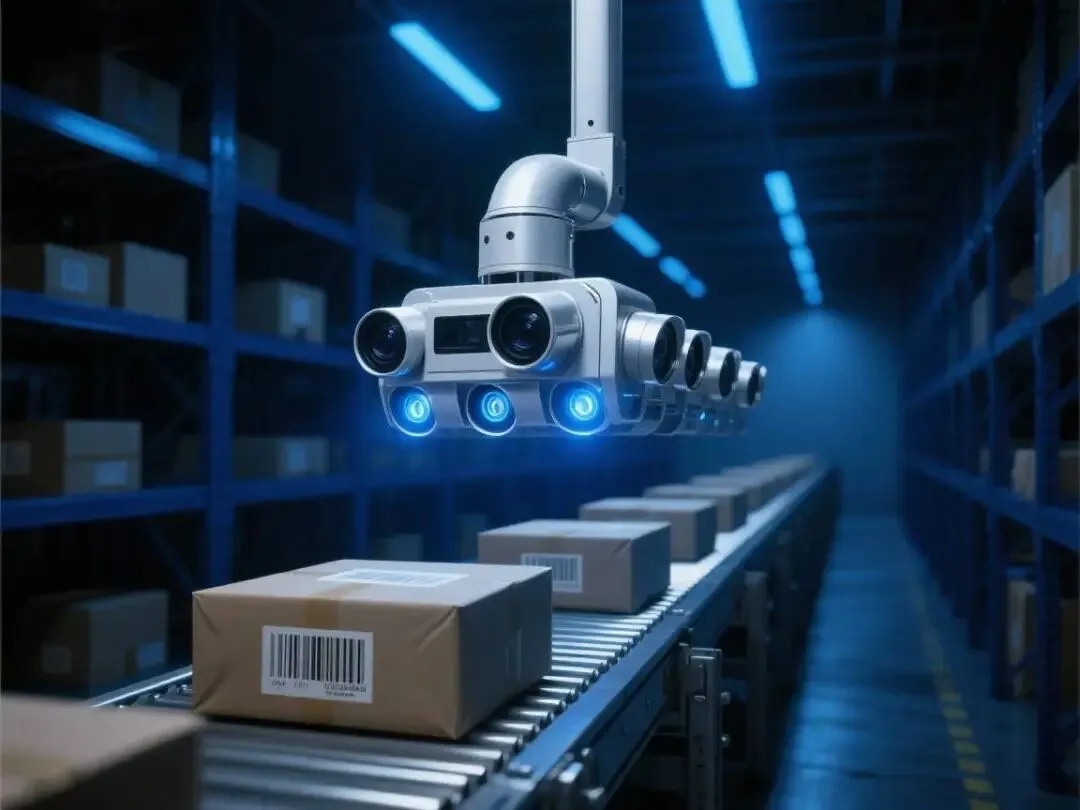
1.ONE
The Four Major Pain Points of Logistics Warehouses
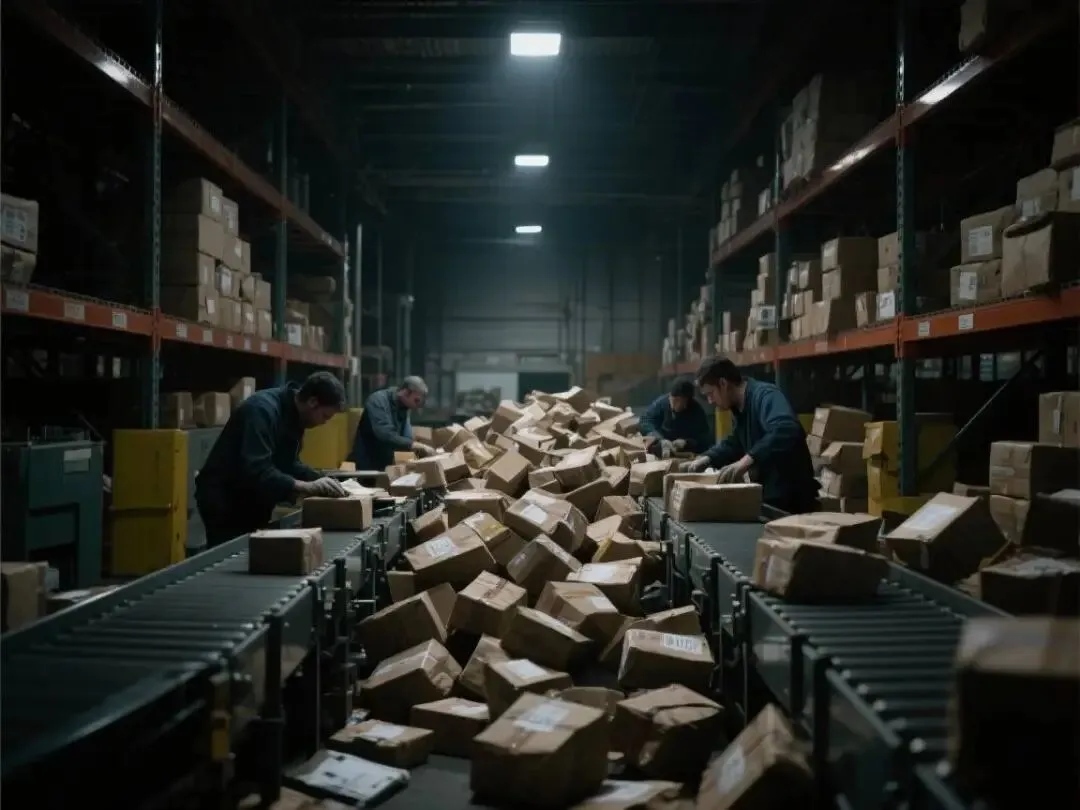
In traditional logistics warehouse operations, manual sorting presents numerous intractable problems that directly impact operational efficiency and cost control:
Rough Handling - Manual sorting often leads to package damage, increasing claims costs and damaging brand reputation
Package Backlogs - Low efficiency in manual identification causes cargo backlogs during peak periods, affecting delivery timeliness
Labeling Errors – Manual labeling is prone to mistakes, leading to misdeliveries and missed shipments, which increase reverse logistics costs
Reliance on Labor – The traditional model relies on a large workforce, resulting in high labor costs and limited efficiency
The operational pain points faced by traditional logistics warehouses directly impact costs and efficiency, creating an urgent need for technological innovation
2.TWO
AI Vision System Solution
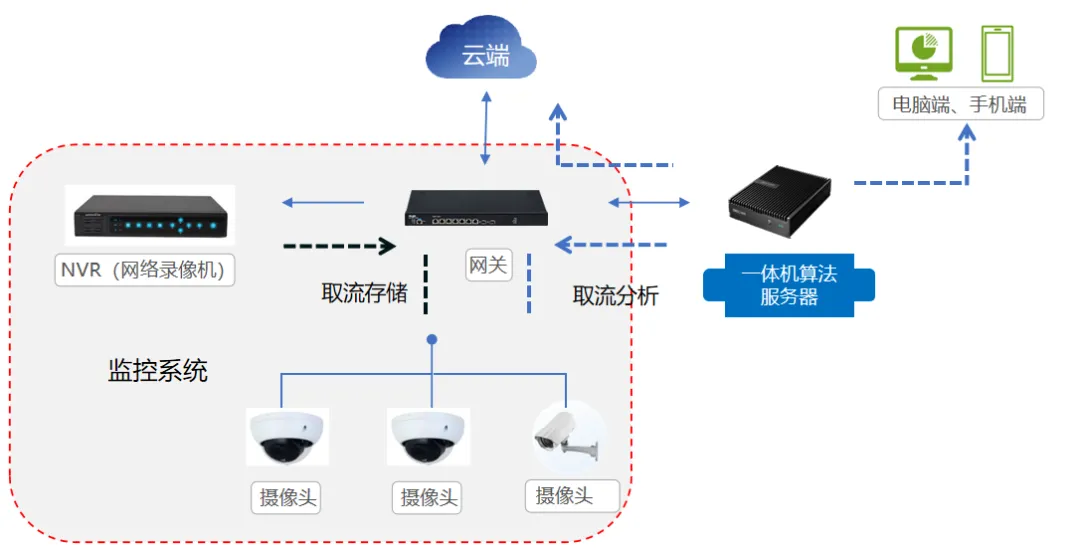
System Architecture: Leverage existing resources to achieve intelligent upgrades.
There is no need for large-scale renovations to existing warehouses; simply deploying AI algorithms on existing cameras is sufficient to achieve intelligent upgrades. The system consists of three main components:
Existing camera hardware: Fully utilize existing equipment to reduce initial investment
AI algorithm module: Enables functions such as package recognition, damage detection, and anomaly monitoring
Data Management Platform: Real-time monitoring, data analysis, and anomaly alerts
The AI Vision System features four core functions that comprehensively address pain points in logistics warehouses:
Automatic Waybill Number Recognition: Quickly and accurately identifies package information to improve sorting efficiency
Package Damage Detection: Monitors package status in real time to reduce damage caused by rough handling during sorting
Monitoring Loading Dock Delays: Intelligently identifies delayed packages and provides timely alerts for resolution
Anomaly Alerts: Provides real-time warnings for issues such as label errors and sorting anomalies
Schematic diagram of the AI vision system architecture, which enables intelligent upgrades by integrating AI algorithms with existing cameras
3. THREE
Implementation Results and Data Outcomes
Following the implementation of the AI vision system, the logistics warehouse has seen significant efficiency gains and cost savings:
Labor cost savings equivalent to three employees per sorting line
Overall sorting efficiency increased tenfold
6-month payback period for the system investment
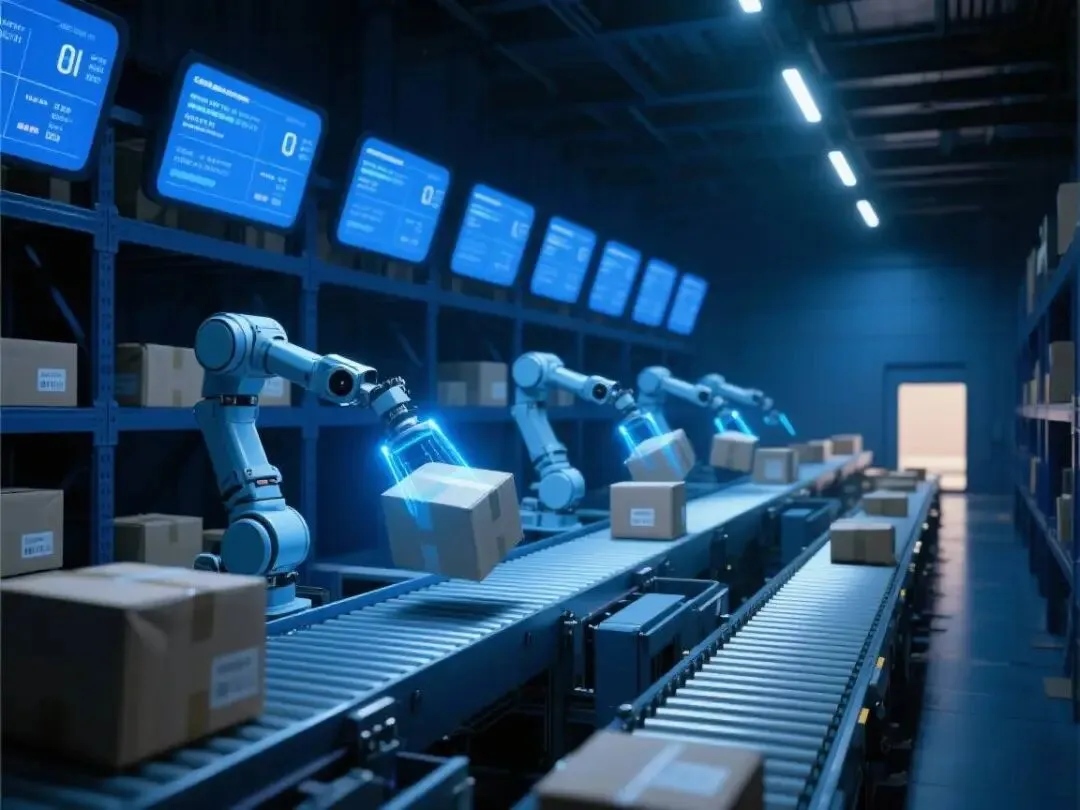
Following the implementation of the AI vision system, the logistics warehouse’s operational efficiency has significantly improved, and costs have been substantially reduced
Is your warehouse facing these challenges as well? Feel free to share your logistics and warehouse operational pain points in the comments section—our team of experts will provide you with preliminary solution recommendations. Whether it’s sorting efficiency, cost control, or quality monitoring issues, weida can provide you with customized intelligent solutions powered by AI vision technology.