


 Return
Amid the wave of digital transformation, artificial intelligence has become a core driver of innovation for businesses. However, many companies invest significant resources in developing AI projects, only to end up with a system that “appears intelligent” but fails to generate actual value, leaving them stuck in a dilemma of “high investment, poor results.” These AI systems, jokingly referred to as “artificial stupidity,” not only waste companies’ money and time but also undermine their teams’ confidence in technological innovation. So, what exactly is causing this phenomenon? And how can we break this deadlock?
“The true value of AI lies not in how advanced the technology is, but in its ability to solve real business problems and create measurable commercial value.”

1. ONE
Problem Analysis: The Two Core Causes of “Artificial Stupidity”
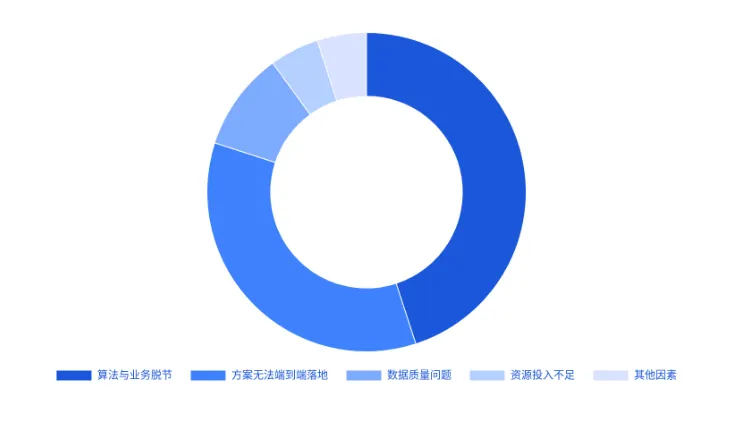
The phenomenon of “artificial stupidity” is not a coincidence, but rather the result of multiple factors acting in concert. Through an analysis of a large number of failed AI projects, we have identified two core issues: a disconnect between algorithms and business needs, and the inability to implement solutions end-to-end.
Disconnect Between Algorithms and Business Needs
Technical teams focus excessively on algorithmic accuracy and technological sophistication, neglecting actual business needs and application scenarios. The models they develop perform exceptionally well in laboratory environments but fail to adapt to real-world business scenarios, rendering them incapable of solving practical problems.
Inability to Implement Solutions End-to-End
AI projects involve multiple stages, from data collection and model training to system deployment, operation, and maintenance. Many teams focus solely on the model development phase while neglecting critical steps such as data quality, system integration, and operations and maintenance support, resulting in the inability to fully implement the entire solution.
2.TWO
Solution: weida’s All-in-One Service Model
To address common challenges in AI projects, weida has introduced a unique all-in-one service model that provides end-to-end solutions—from business understanding to system implementation—ensuring that AI projects truly deliver value.
weida’s All-in-One AI Service Model:
Business Diagnosis and Requirements Analysis
Gain an in-depth understanding of the client’s business processes and pain points, clarify the value proposition and expected goals of the AI project, and ensure that the technical solution aligns closely with business needs.
Data Strategy and Preparation
Develop a comprehensive data collection and preprocessing plan to ensure data quality and usability, laying a solid foundation for model development.
AI Model Design and Development
Design appropriate AI models based on business needs, and develop and optimize them using the latest technologies and best practices to ensure model performance and stability.
System Integration and Deployment
Seamlessly integrate AI models with existing business systems, provide a complete deployment plan, and ensure stable system operation.
Operational Support and Continuous Optimization
Provide long-term operational support, continuously monitor system performance, and optimize models based on business changes and data feedback to ensure the sustained delivery of AI value.
Weida’s Service Philosophy: We don’t just deliver AI systems—we deliver tangible business results.

3. THREE
Value Proposition: Criteria for Evaluating the Success of AI Projects
At weida, we believe that the success of an AI project should not be measured solely by technical metrics, but rather by the actual business value it creates. We consistently adhere to our service philosophy of “delivering tangible results” to help our clients realize the true value of AI.
The Three Core Criteria for AI Project Success
1. Improvement in Business Metrics: Does the AI system significantly improve key business metrics, reduce costs, and increase efficiency?
2. User Experience Optimization: Does it improve the user experience and increase user satisfaction and loyalty?
3. Scalability and Sustainability: Does the system possess good scalability, and can it be continuously optimized and evolved as the business grows?
Weida’s Differentiating Advantages
Deep Industry Experience: We understand the business characteristics and pain points of various industries, enabling us to provide solutions that better align with actual needs.
Integration of Technology and Business: Our technical team collaborates closely with business consultants to ensure that technical solutions serve business objectives
End-to-End Service Capabilities: We provide comprehensive services from requirements analysis to system implementation, reducing project risks
Results-Oriented Approach: We prioritize our clients’ business outcomes as the ultimate goal; we do not pursue technical showmanship but focus solely on creating tangible value
Are you ready to let AI truly create value? Whether you’re planning an AI project or facing challenges in implementing one, feel free to contact us. The weida team will provide you with a free AI project assessment and consulting services to help you avoid the pitfalls of “artificial stupidity” and maximize the value of AI.