


 Return
Traditional surveillance systems face numerous issues in practical applications. These issues not only lead to a waste of resources but also prevent the systems from effectively fulfilling their intended functions, posing potential security risks to businesses.
1. ONE
Problems with Traditional Surveillance Systems
Useless Footage and Waste of Resources
Although the company’s cameras are turned on 24 hours a day, 99% of the recorded footage is useless, which is a pure waste of electricity and results in a significant amount of idle and wasted resources.
Inadequate Monitoring by On-Duty Staff
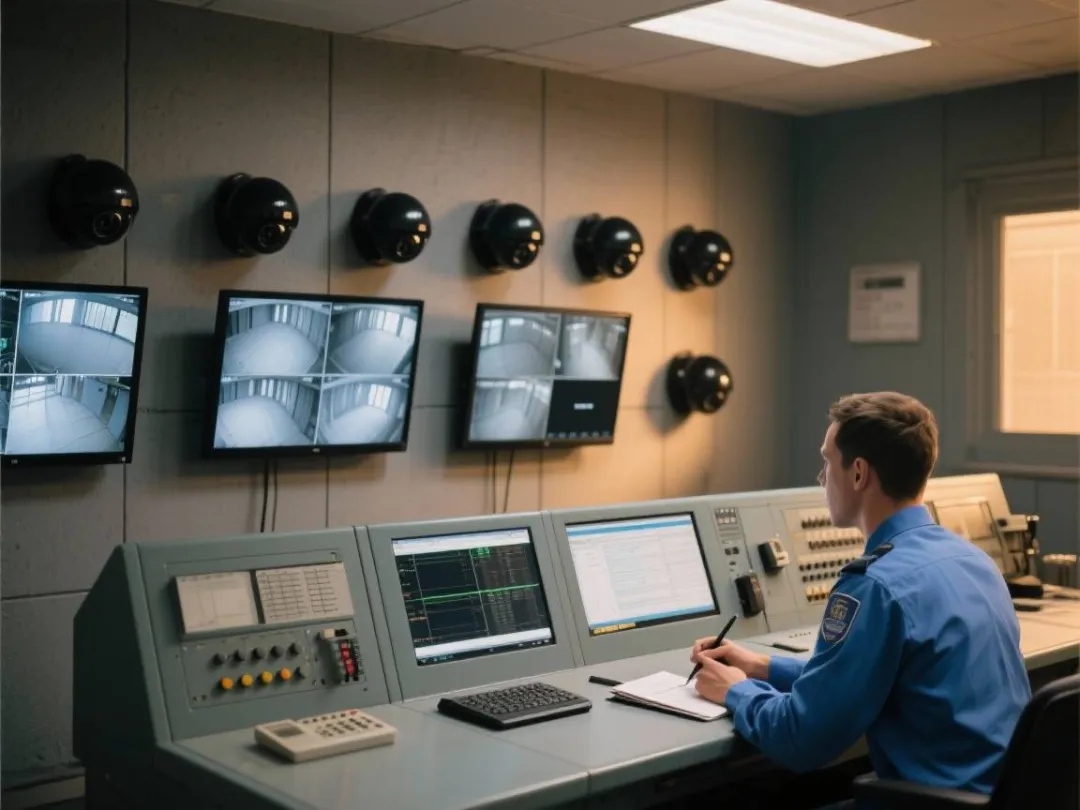
On-duty staff are often seen scrolling through their phones or dozing off, which means that when an actual incident occurs, they are unable to effectively review the surveillance footage and cannot promptly detect or address abnormal situations.
2.TWO
Smart Surveillance Upgrade Solution
The Smart Surveillance Upgrade Solution eliminates the need for large-scale replacement of existing equipment. Through three simple steps, it upgrades traditional surveillance systems to smart surveillance systems, enabling the intelligent transformation of surveillance systems.
Step 1: Retrofitting Existing Equipment
The upgrade does not require replacing existing cameras; instead, existing equipment can be retrofitted to fully utilize current resources and reduce upgrade costs.
Step 2: Add an AI Algorithm Box
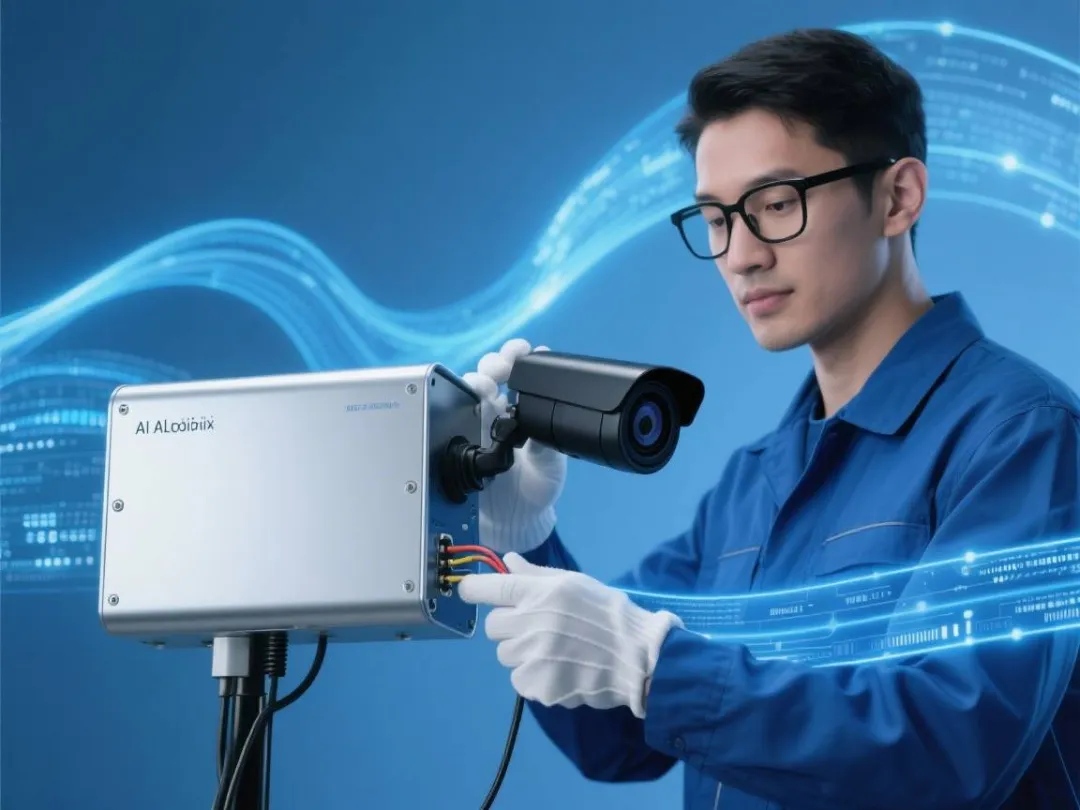
By adding weida’s AI Algorithm Box to the existing system, you can equip the surveillance system with intelligent analysis capabilities.
Step 3: Set Monitoring Rules
You can set rules such as preventing unauthorized entry, detecting smoke or fire, and identifying falls, enabling precise monitoring and intelligent recognition.
3. THREE
Advantages and Benefits of Smart Monitoring
After upgrading to a smart monitoring system, businesses can benefit from more efficient and precise monitoring services, effectively enhancing their safety management standards and emergency response capabilities.
Giving Monitoring a “Brain”
Once upgraded, the monitoring system gains a “brain” that can proactively identify anomalies, marking a shift from passive monitoring to active detection.
Millisecond-Level Response and Automatic Alerts
Any anomaly triggers a millisecond-level response, with automatic alerts sent to users’ mobile phones, ensuring they are promptly informed of the situation and can take appropriate action.

Want to know how it works? Feel free to share your thoughts and needs regarding smart surveillance upgrades in the comments section—we’ll provide you with detailed solutions and technical support.